A friend in Jumeirah once swore his three-year-old sedan was untouchable. He washed it every Friday, parked it in a covered garage, and drove mostly along the Corniche. Then a mechanic in Al Quoz slid under the car for a routine service and called him over. The underbody looked like it had aged a decade. Bolts on the suspension were flaking. A brake line bracket had a hole you could push a pen through. He was shocked. Rust, he insisted, was a European problem, a Canadian problem, a problem for anywhere that salts its roads in winter. Not here. Not in the desert.
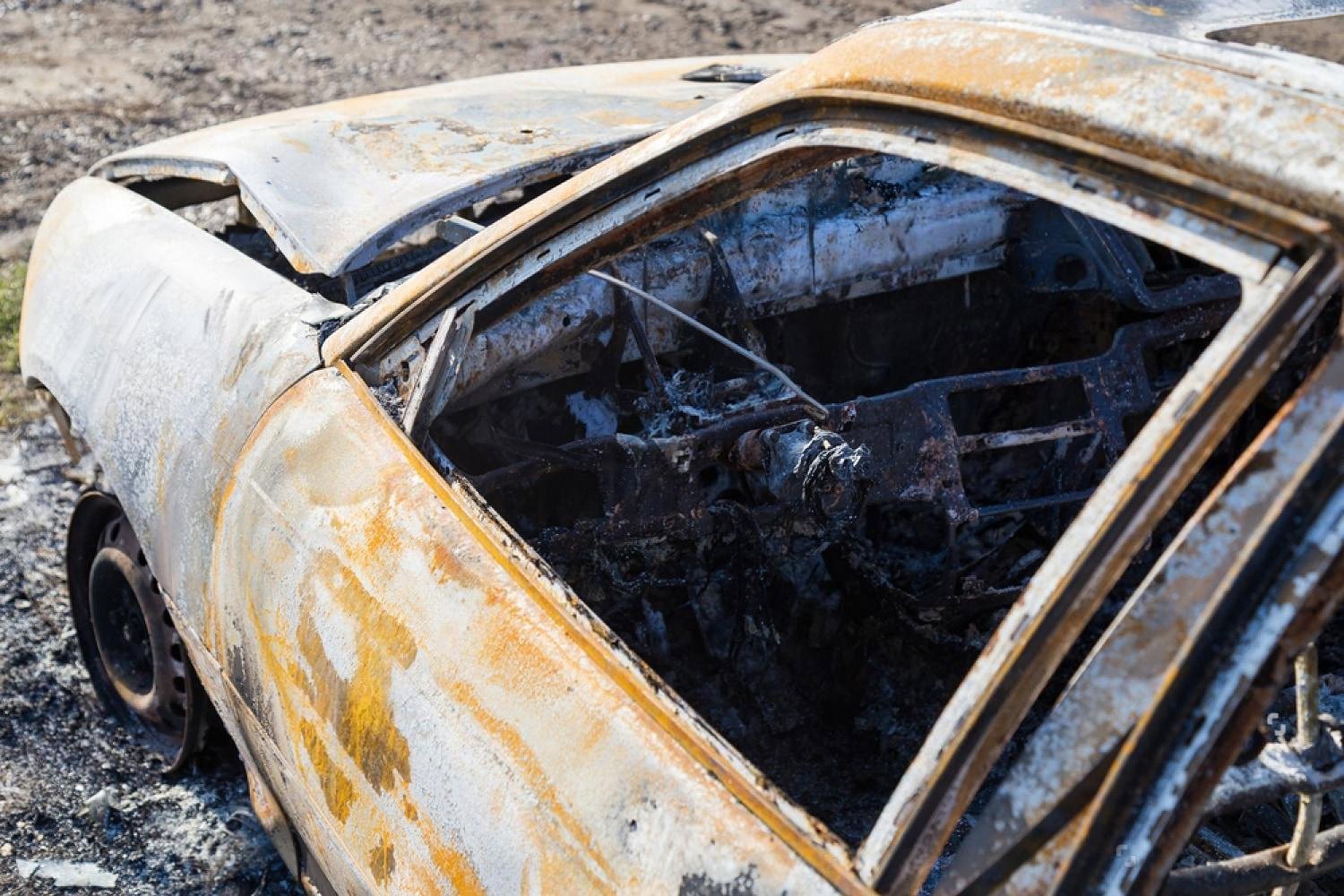
That belief is one of the most expensive misconceptions on UAE roads. The country is dry inland, yes, but most of the population lives, works and drives within a short distance of the sea. Salt-laden air, high humidity for long stretches of the year, and fine coastal moisture creep into places soap and water never reach. Corrosion here does not look like the crusty fenders you see in old British films. It hides. It works from the bottom up. And by the time you notice it, the repair bill is usually a serious one.
Why coastal air is quietly eating your car
Rust is an electrochemical reaction. Iron in the steel reacts with oxygen in the presence of moisture, and the result is iron oxide, the reddish-brown scale we call rust. In a dry desert climate, that reaction is slow. Add salt to the equation and everything changes. Salt is an electrolyte. It supercharges the reaction, letting electrons move between metal and moisture far more easily, which is exactly why coastal cars corrode several times faster than cars kept far inland.
The UAE coastline runs for hundreds of kilometres, and the sea breeze carries microscopic salt particles well past the shoreline. Anyone parking in Jumeirah, along the Abu Dhabi Corniche, in Al Khan in Sharjah, or on the east coast around Fujairah is essentially bathing their car in a fine saline mist every night. Add humidity that regularly climbs above 80 percent between June and September, and the underside of the car stays damp for hours after sunrise. That combination, salt plus trapped moisture plus warm metal, is the perfect chemistry for hidden corrosion.
According to published corrosion research salt exposure can accelerate steel oxidation by a factor of five to ten compared with dry inland conditions. Manufacturers use accelerated salt-spray testing precisely because Gulf-style coastal exposure is one of the harshest real-world environments a vehicle body can face.
Where the damage really happens
Blind spots
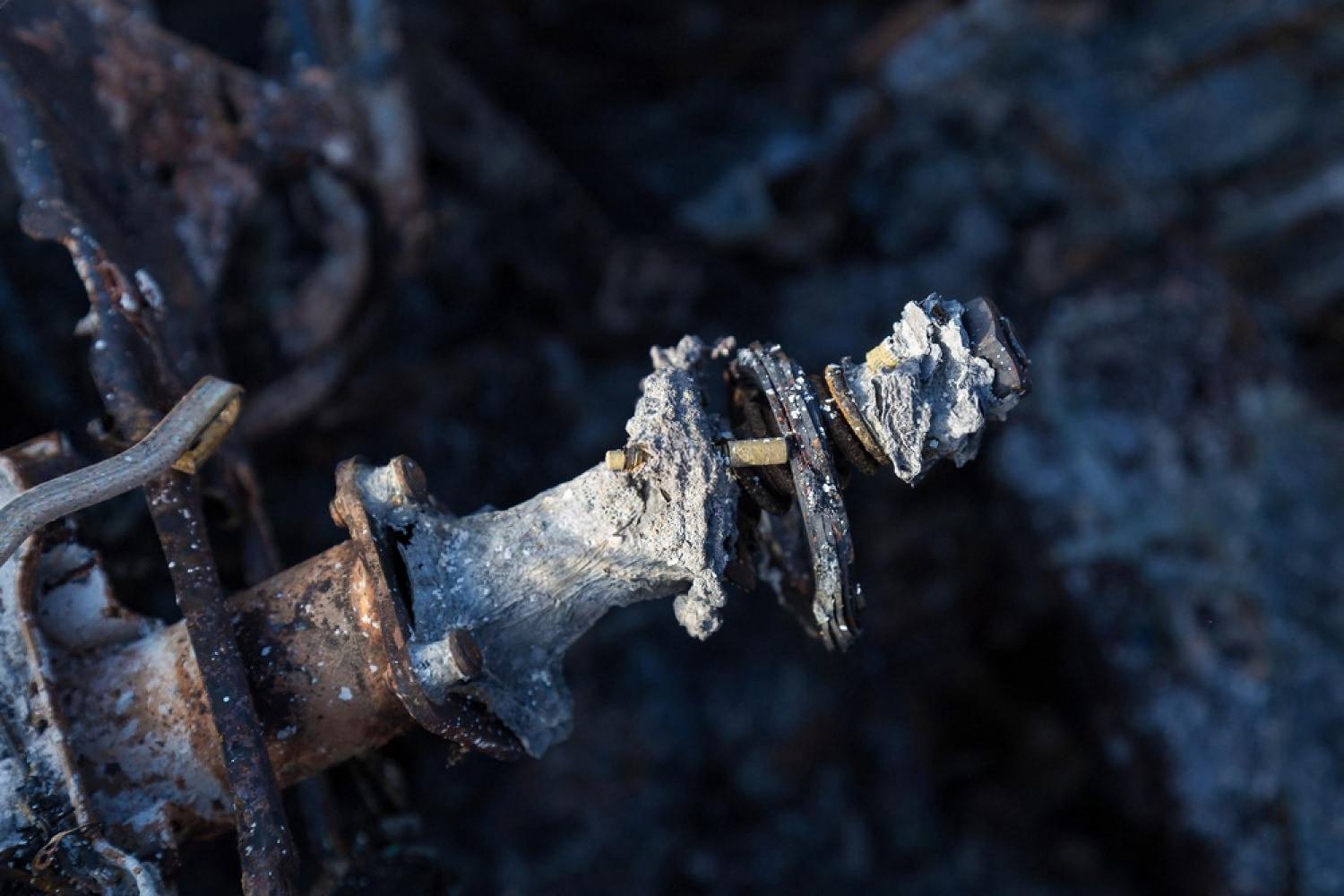
Most drivers inspect what they can see: paint, door edges, the boot lip. Corrosion prefers the places you never look. It settles in the underbody, the seams behind the wheel wells, the suspension arms, the brake caliper hardware, the exhaust hangers, and the small fasteners that hold everything together.
- Underbody and chassis railswhere salt spray settles and dries repeatedly.
- Suspension arms and springswhich flex constantly and shed protective coatings.
- Brake componentsincluding caliper pins, backing plates and hard lines.
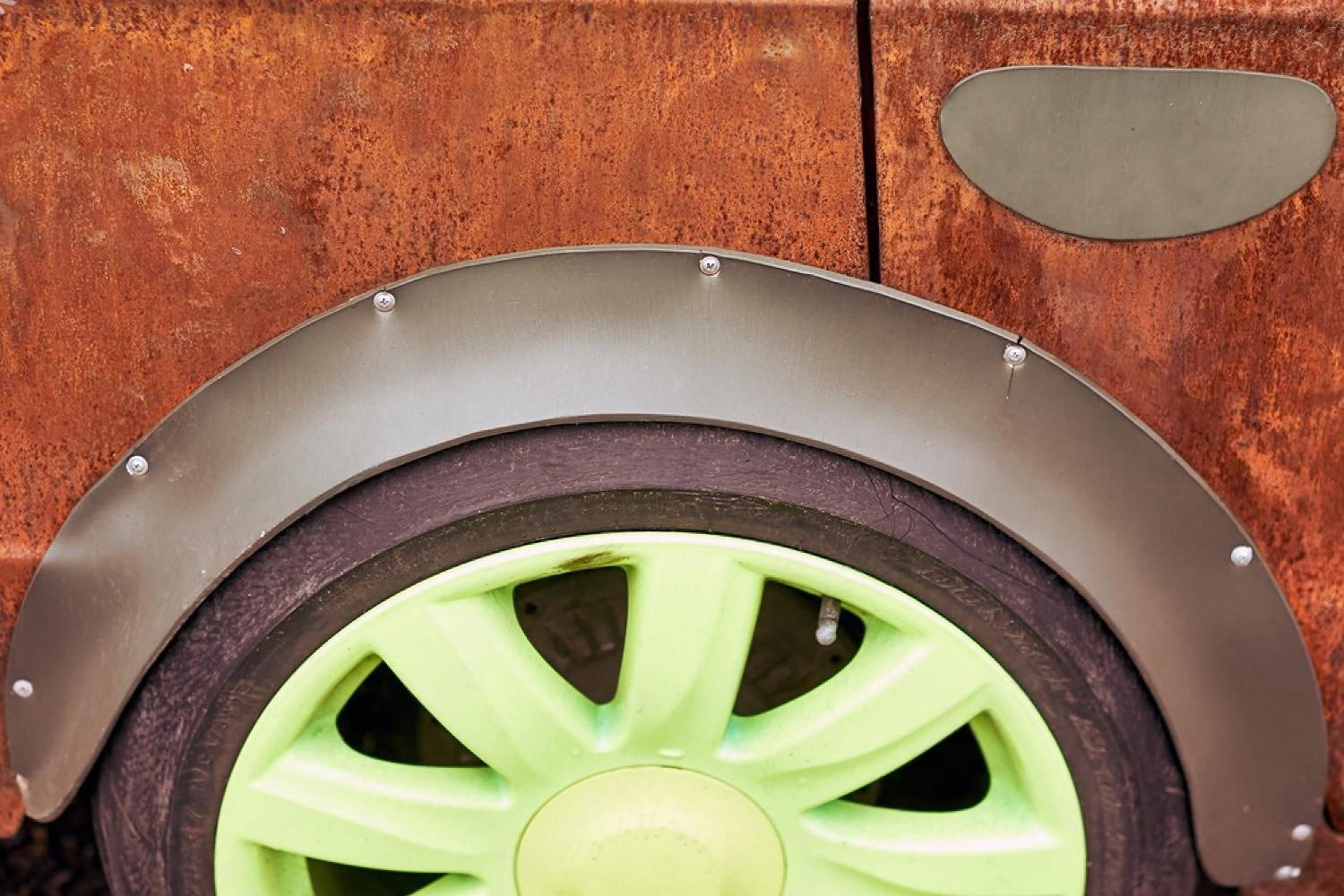
- Wheel wells and inner archesthe number one trap for damp sand and salt.
- Exhaust systemhot metal that cools in humid air pulls moisture inward.
- Fasteners and bracketssmall parts that seize long before they visibly rust.
Who is most exposed, and the early warning signs
If you drive onto the sand at Al Sufouh or Kite Beach, splash through seawater during a weekend trip to Fujairah, or live in a tower on the Palm, your car sees more salt in a month than an inland car sees in a year. Commercial fleets running along the E11 coastal corridor, delivery vans working port areas, and off-road enthusiasts crossing sabkha (salt flats) are all in the high-risk group. Imported used cars from humid coastal markets often arrive with corrosion already established under the paint, waiting to bloom in UAE conditions.
The early signs are easy to miss. A faint brown streak running down from a wheel arch after a wash. Tiny bubbles under the paint on a door bottom, which look cosmetic but signal metal loss underneath. Bolts that turn stiffly, or shed orange dust when you touch them. A dull, powdery grey on aluminium suspension parts. Any one of these is a signal to look deeper before hidden corrosion becomes structural.
Four practical moves that actually work
Wash the underbody, not just the paint
After any beach trip, sand drive, or heavy humid week, book a car wash that specifically pressure-rinses the underside. A regular top wash does nothing for the chassis where the damage begins.
Get proper undercoating
A quality rust proofing treatment seals the chassis, wheel wells and exposed steel with a flexible barrier that keeps salt and moisture off bare metal. It is the single most effective preventive step for coastal cars.
Inspect twice a year
Ask your workshop to do a proper underbody inspection before summer humidity peaks and again in October. Catching surface rust early costs a fraction of replacing structural parts later.
Rinse after every sea trip
If your tyres touched saltwater or wet sand, hose the arches, sills and underbody the same day. Dried salt is far harder to remove and continues attacking metal for weeks.
The cost of ignoring it
Corrosion is not just a cosmetic problem. It reduces resale value sharply, and in the UAE second-hand market a clean underbody often adds more to the price than a fresh set of alloys. Worse, it becomes a safety problem when it reaches brake lines, subframe mounts or fuel lines. Global studies referenced by corrosion industry bodies put the annual cost of vehicle corrosion in the tens of billions of dollars. Individual repair bills for a rusted subframe, corroded brake line set, or seized suspension bushing routinely run into the thousands of dirhams.
The good news is that the fix is boring and cheap compared with the repair. A quarterly underbody wash, an annual inspection, and a proper undercoating applied once and refreshed every few years will extend a coastal vehicle’s structural life by many years. Drivers who treat their cars this way in Dubai, Sharjah, Abu Dhabi and along the Fujairah coast are the ones still driving straight, quiet, tight-feeling cars a decade later. The ones who assumed the desert would protect them are usually the ones shopping for a new vehicle sooner than planned.
Frequently asked questions
Is rust really a problem for cars in the UAE?
Yes, especially near the coast. The country’s inland desert is dry, but most drivers live and commute close to the Gulf, where salt-laden air and high humidity accelerate corrosion. Cars parked in Jumeirah, Abu Dhabi Corniche, Sharjah or Fujairah are exposed to a fine saline mist almost every night, and that is enough to start attacking the underbody within a few years.
How often should I wash the underside of my car in the UAE?
Aim for a proper underbody rinse at least once a month during humid season (June to September), and always after a beach trip, an off-road drive, or any exposure to seawater or wet sand.
Regular top washes do not clean the chassis, so ask specifically for an underbody pressure wash at your car wash.
What is undercoating and is it worth doing?
Undercoating is a protective layer applied to the chassis, wheel wells and exposed metal parts under the car. It creates a flexible barrier that blocks salt, moisture and sand from reaching bare steel.
For UAE coastal drivers it is one of the most cost-effective preventive treatments available, and it usually pays for itself many times over in avoided repairs and preserved resale value.
What are the earliest signs my car is starting to corrode?
Watch for brown streaks running from wheel arches after a wash, tiny bubbles under the paint (especially at door bottoms and boot edges), bolts that shed orange dust, and a dull grey powder on aluminium parts. Any of these signs mean corrosion has already started and needs attention before it spreads.
Are imported used cars more likely to have rust?
Often yes. Vehicles imported from other humid coastal markets, particularly certain North American and Southeast Asian regions, may arrive with corrosion already established beneath the paint or on the underbody. Always request a lift inspection before buying a used import, and check the chassis rails, suspension arms and brake hardware carefully.
Which UAE areas are hardest on vehicles?
Anywhere within a few kilometres of the sea is high risk. The Dubai coastline from Jumeirah through the Palm and Marina, the Abu Dhabi Corniche and coastal roads, Al Khan and Al Mamzar in Sharjah, and the entire east coast around Fujairah all expose vehicles to salt-heavy air.
Off-road and beach areas add direct saltwater and sand contact, which is even harsher.
Can I remove rust myself once it appears?
Very light surface rust on visible panels can sometimes be sanded and treated at home, but underbody, suspension and structural corrosion should be handled by a specialist. Attempting DIY repair on structural rust often just hides the problem, and safety-critical parts like brake lines and subframe mounts require proper inspection and, if needed, replacement.

I act as a financial expert on the Today Show and Good Morning, America. I like to give reasonable advice on budgeting to people with any income level.